

Brasseler’s next generation bioceramic sealer with enhanced handling, versatility and ion release to provide optimal long-term sealing of the entire root canal system.
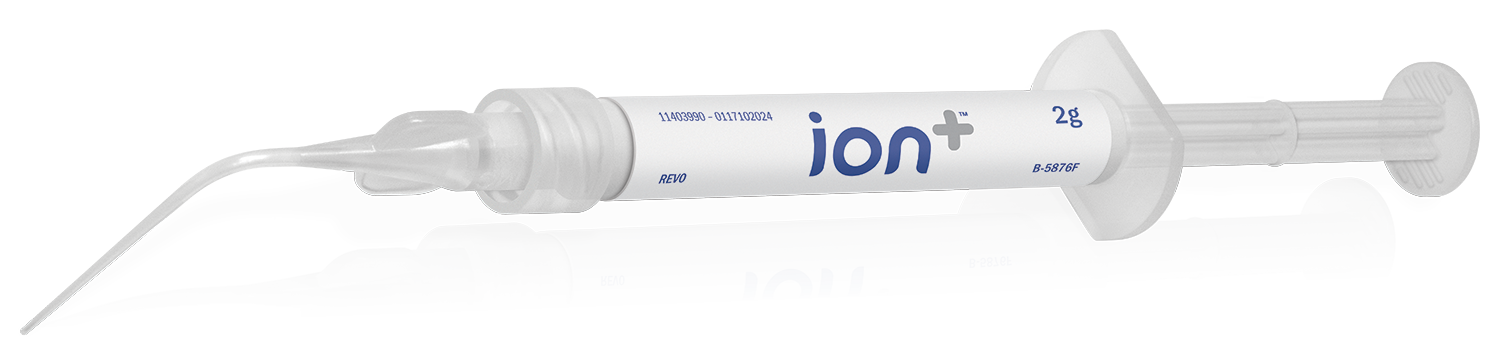
COLD & WARM OBTURATION
IMPROVED HANDLING
INCREASED RADIOPACITY
ENHANCED BIOACTIVITY
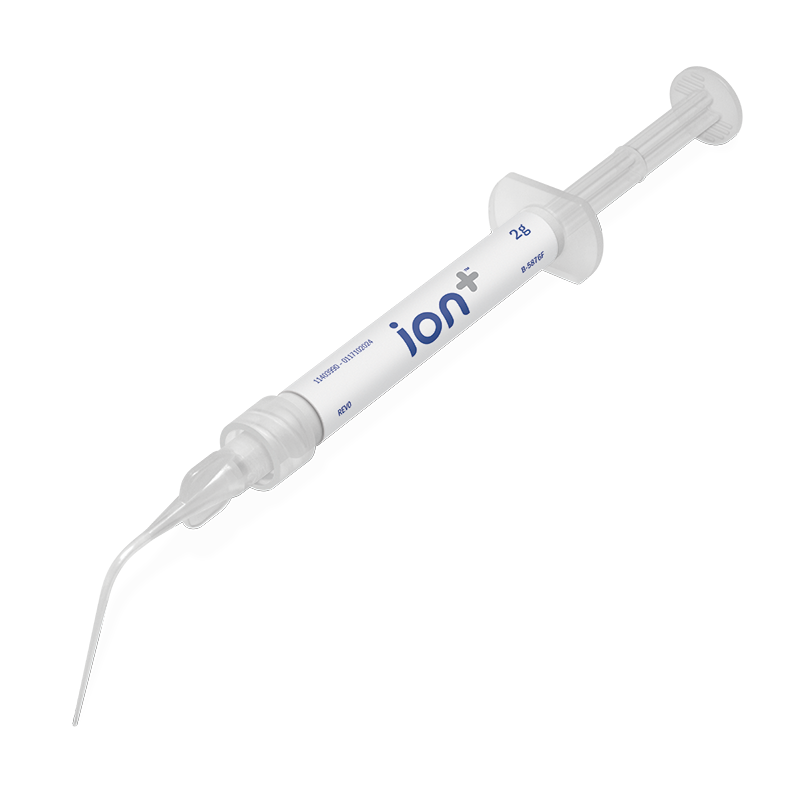
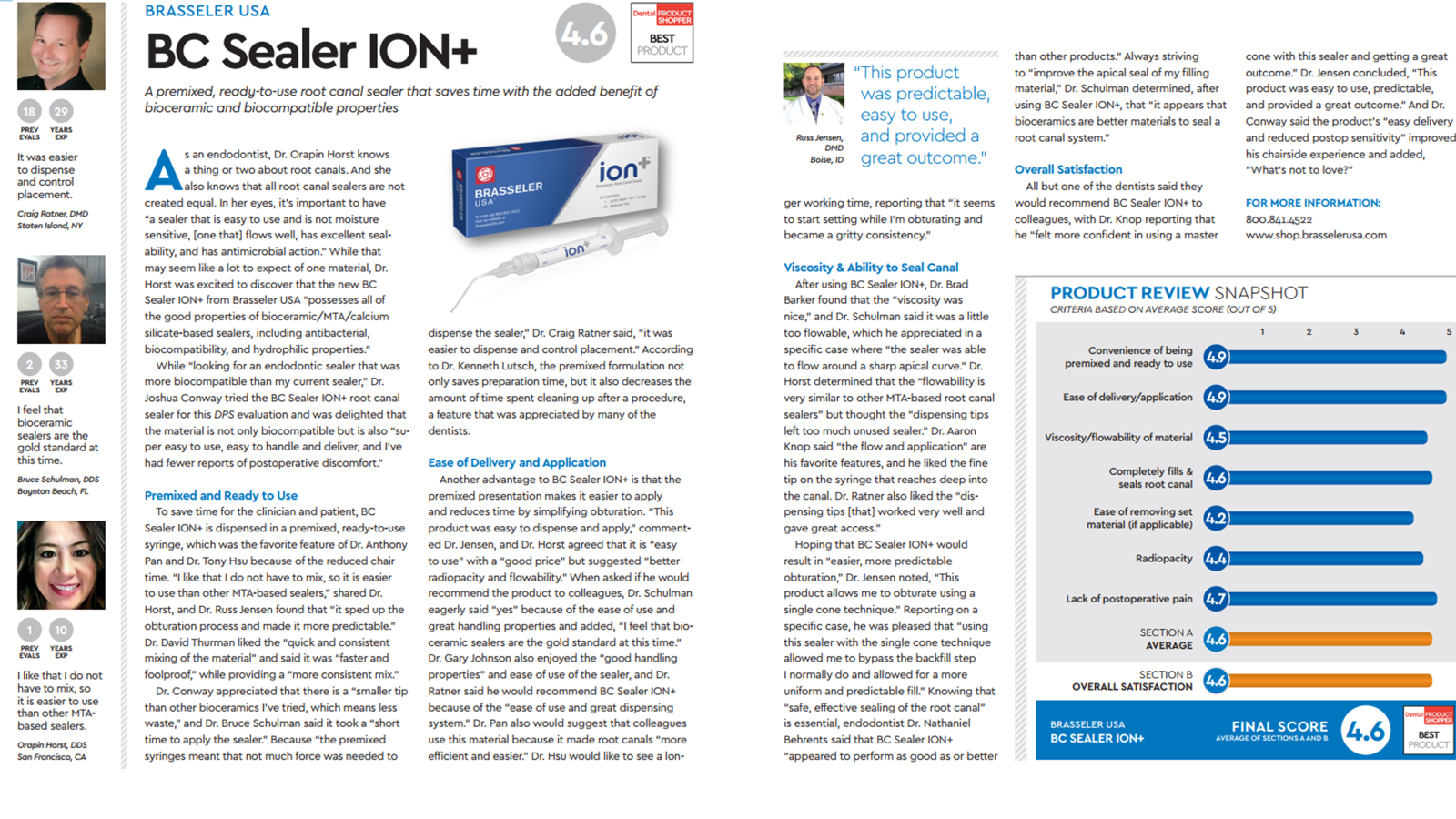
BC Sealer™ ion+™
Order No. 5031639U0
Includes: 1 2g syringe, 20 applicator tips
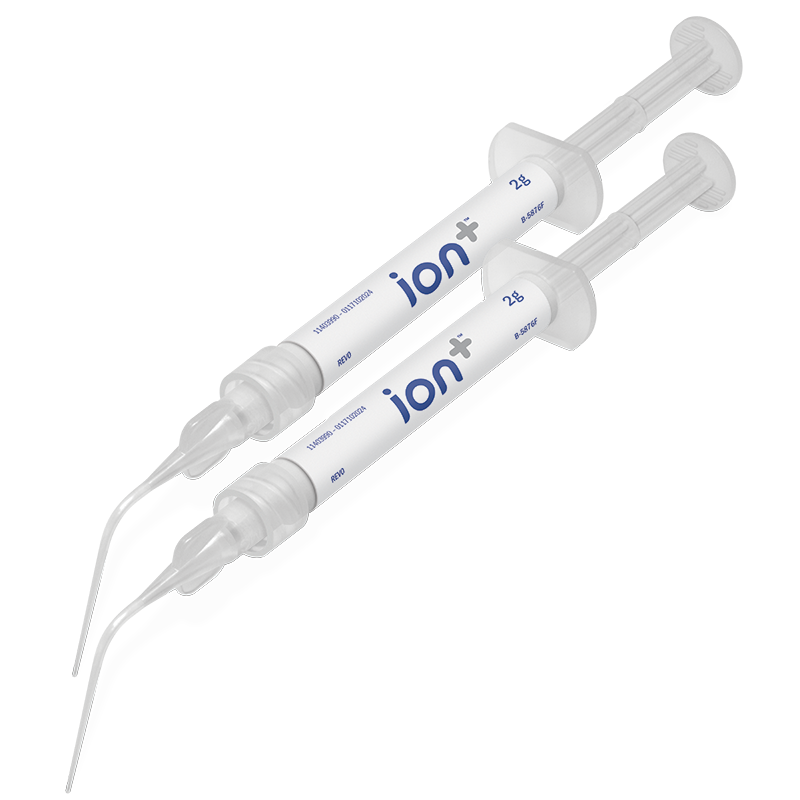
BC Sealer™ ion+™ Bulk
Order No. 5031640U0
Includes: 2 2g syringe, 40 applicator tips
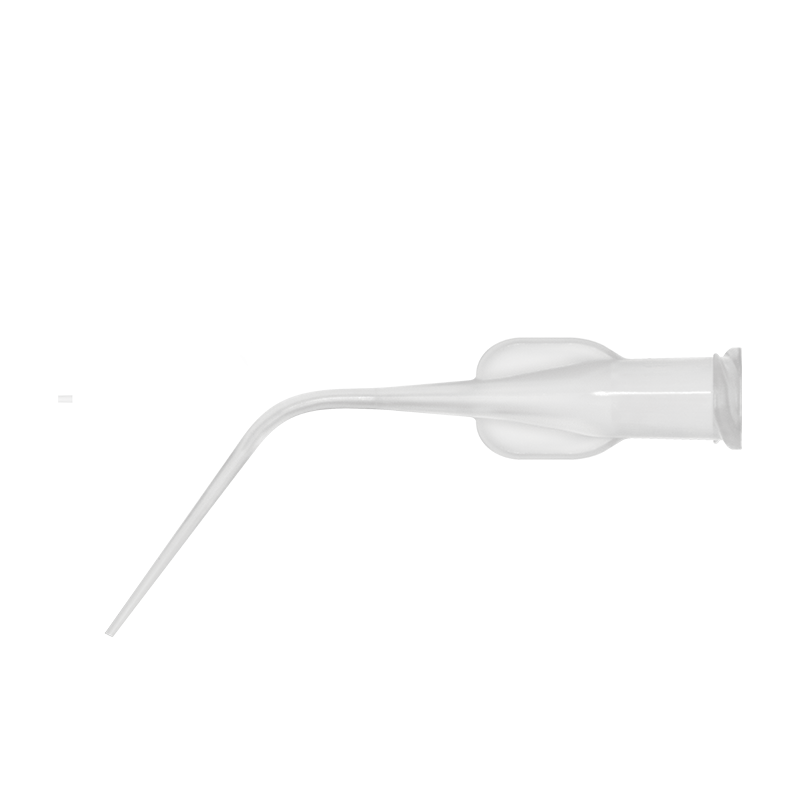
Applicator Tips
Order No. 5031642U0
Includes: 20 applicator tips

The next generation of bioactive sealer, brought to you by the leader in bioceramic endodontic materials.
Ion+ Whiteboard: Rev 0 – December 2024
BC Sealer ion+ is a patented, revolutionary, premixed bioceramic sealer based on Akermanite, which is a well-established mineral used in the medical field due to its osteogenic and angiogenic properties. Unlike all other bioceramics, BC Sealer ion+ releases both calcium and magnesium ions for maximum bioactivity.
- Cold and Warm Techniques
- Improved Handling
- Increased Radiopacity
- Enhanced Bioactivity
- 2x Tissue Repair
- Stem Cell Differentiation
- Micronized Particles
- Antibacterial Effect
| BC Sealer ion+ | BC Sealer | |
|---|---|---|
| Bioceramic components | Calcium and magnesium silicate (17%) Calcium sulfate hemihydrate (5%) Calcium Oxide (2%) Potassium sulfate (2%) |
Tricalcium silicate (20-35%) Dicalcium silicate (5%) Calcium hydroxide (1-4%) |
| TOTAL 26% | TOTAL 27% | |
| Radiopacifier | Zirconium Oxide (40%) | Zirconium Oxide (35-45%) |
| Fillers and thickening components | Polyethylene Glycol (32.5%) Thickening agents (2.5%) |
Propylene Glycol (32.5%) Thickening agents (2.5%) |
BC SEALER ion+ has similar properties compared to traditional BC Sealer.
| BC Sealer ion+ | BC Sealer | ISO 6876: 2012 (Standard Value) |
|
|---|---|---|---|
| Radiopacity |
6.8 ± 0.8 Al |
4.8 ± 0.8 Al |
> 3 mm Al |
| Flowability |
29.5 ± 2.6 mm |
19.9 ± 0.5 mm |
> 17 mm |
| Film Thickness |
46.7 ± .01 µm |
46.7 ± 0 µm |
< 50 µm |
What is Brasseler’s BC Sealer ion+?
BC Sealer ion+ is a patented, premixed bioceramic sealer based on akermanite, which is a well-established mineral used in the medical field due to its osteogenic and angiogenic properties. Unlike all other bioceramics, BC Sealer ion+ releases both calcium and magnesium ions at a prolonged, steady increase compared to other bioceramic sealers on the market leading to maximum bioactivity.
What are the indications for use?
Obturation and sealing of root canals.
Please refer to IFU prior to use, located at
www.brasselerusa.com/eIFU
How is the product packaged?
The product is available in 2g premixed syringes with 20 minimal waste plastic tips. A bulk pack of 2x2g syringes is also available with 40 tips. The syringes are packaged in re-sealable foil pouches and silica packs included to keep product dry.
Does it come with dispensing tip? What is tip size?
Yes, the 2G syringe comes with 20 minimal waste dispending tip and the bulk pack comes with 40 minimal waste dispending tips. The internal diameter of the tip is 0.014”. Due to its extremely thin diameter, the tip can be inserted deeply into most canals. This design ensures optimal flowability and precise placement of the sealer within the root canal system.
How many uses do you get out of 1 syringe
35 root canal procedures on average
What are the storage and handling instructions for BC Sealer ion+
Please refer to IFU prior to use, located at www.brasselerusa.com/eIFU
What are the clinical benefits of enhanced ion release?
The enhanced ion release from BC Sealer ion+ provides several clinical advantages:
-Antimicrobial Activity: Released ions, such as calcium and magnesium, create an alkaline environment that inhibits bacterial growth.
-Remineralization: Ions promote the formation of hydroxyapatite, aiding in dentin repair.
-Biocompatibility: Ion release supports tissue healing and integration with surrounding structures.
These properties contribute to improved outcomes in endodontic therapy.
How does the flowability and film thickness of BC Sealer ion+ compare to BC Sealer and BC Sealer HiFlow?
BC Sealer ion+ is formulated to offer excellent flowability, comparable to our slightly better than BC Sealer and BC Sealer HiFlow.
Flowability is critical for ensuring complete adaptation to the complex anatomy of root canals. While BC Sealer has good flow properties, BC Sealer ion+ has been specifically developed to enhance this characteristic, making it ideal for challenging cases with intricate canal morphologies.
BC Sealer ion+ strikes a balance between flowability and handling characteristics, allowing it to penetrate lateral canals effectively without being excessively runny. Its optimized film thickness ensures a tight seal without compromising the structural integrity of the obturation.
Will BC Sealer ion+ resorb if extruded past the apex?
BC Sealer ion+ is a bioceramic sealer designed to interact favorably with biological tissues, even if inadvertently extruded beyond the apex. Its resorption properties are influenced by its hydrophilic nature and ability to undergo controlled hydration reactions in the presence of moisture. When extruded into periapical tissues, BC Sealer ion+ forms calcium phosphate precipitates, which are biocompatible and integrate well with surrounding tissues, reducing the likelihood of chronic inflammatory responses.
Can you retreat BC Sealer ion+?
While specific retreatment studies on BC Sealer ion+ are limited, bioceramic sealers in general have been shown to be removable using conventional techniques. Instruments such as rotary files and ultrasonic tips can effectively aid in sealer removal from canal walls.
What if ion+ is extruded past the apex?
BC Sealer ion+ is intended for intracanal placement only. If accidental extrusion occurs, small amounts are unlikely to trigger a significant inflammatory response due to the material’s biocompatibility. Over time, any unset material may be resorbed by the body.
However, large extrusions, particularly into critical anatomical spaces such as the mandibular canal, should be carefully evaluated. In such cases, removal of the extruded material may be necessary to prevent complications. Clinicians should exercise caution to minimize overfilling and adhere to best practices.
Will ion+ stain teeth (like MTA)
BC Sealer ion+ is designed to minimize the risk of staining. While some MTA formulations may cause grayish discoloration due to their bismuth oxide content, BC Sealer Ion+ uses zirconium oxide as its radiopacifier. This eliminates the risk of dark discoloration over time, particularly in anterior restorations.
How resistant is BC Sealer ion+ to heat during obturation compared to BC
Sealer and BC Sealer HiFlow?
BC Sealer ion+ demonstrates superior resistance to dehydration and chalkiness during heated obturation procedures. Its unique formulation includes stabilizing agents, such as polyethylene glycol, that prevent premature dehydration under high temperatures, maintaining structural integrity.
In contrast, BC Sealer may become chalky or brittle when exposed to heat, particularly if it has not fully set. Studies suggest that BC Sealer ion+ maintains its physical properties during thermal application, ensuring consistent performance and adaptability to root canal walls. This makes it suitable for both cold and warm obturation techniques.
What is the average particle size of BC Sealer ion+?
The average particle size of BC Sealer ion+ is in the submicron range, typically between 0.5 and 2 micrometers. This fine particle size enhances its flowability and ability to penetrate narrow spaces within the root canal system. Smaller particle sizes also improve material homogeneity and reduce the risk of voids or gaps in the obturation.
What are the fillers and thickening agents in BC Sealer ion+?
BC Sealer ion+ contains bioceramic fillers, including zirconium oxide for radiopacity. Its thickening agents include hydrophobic fumed silica, which is carefully formulated to maintain flowability while ensuring proper handling. These components work synergistically to enhance ion release, biocompatibility, and dimensional stability.
How does BC Sealer ion+ bond to dentin?
BC Sealer ion+ bonds to dentin through a combination of micromechanical interlocking and chemical interactions. During the setting reaction, hydroxyapatite like crystalline structures form, promoting adhesion to the mineralized dentin surface. Additionally, the release of calcium and magnesium ions facilitates remineralization at the interface, creating a strong and durable bond. This mechanism ensures excellent marginal adaptation and reduces microleakage, contributing to long term success in endodontic treatment.
Is BC Sealer ion+ dimensionally stable?
Yes, BC Sealer ion+ is dimensionally stable and exhibits slight expansion during the setting process. This minor expansion enhances its sealing ability by filling small gaps between the sealer and dentin or gutta-percha, reducing microleakage without placing excessive stress on the root structure.
Dimensional stability is crucial for preventing leakage and maintaining obturation integrity over time. BC Sealer ion+ remains stable without significant shrinkage or excessive expansion.
How does BC Sealer ion+ remain dimensionally stable despite prolonged ion
release?
BC Sealer ion+ maintains dimensional stability despite prolonged ion release due to its unique formulation contend calcium magnesium silicate (akermanite). The material undergoes a controlled hydration reaction, forming a dense matrix that prevents excessive water uptake or loss. While ions are gradually released, the bulk structure remains intact, ensuring that the sealer does not degrade over time. The release occurs at the surface level, maintaining long-term dimensional stability.
Does BC Sealer ion+ have low solubility?
Yes, BC Sealer ion+ exhibits very low solubility, complying with ISO 6876 standards. Studies confirm that modern bioceramic sealers, including BC Sealer, demonstrate excellent long-term stability in the presence of moisture.
The low solubility of BC Sealer ion+ ensures the longevity of the seal and minimizes the risk of dissolution in tissue fluids over time.
Are there any published studies on BC Sealer ion+?
Yes, visit https://brasselerusadental.com/ionplus to review all published studies, product information, clinical use cases and KOL testimonials.
MECHANISM OF ACTION
The structural differences between simple tetrahedral nesosilicates (e.g. C3S) and double tetrahedral sorosilicates (e.g. Akermanite) significantly influence their ion release behavior and subsequent bioactivity. While C3S provides rapid Ca2+ release for immediate effects, Akermanite’s controlled release of both Ca2+ and Mg2+ offers prolonged bioactivity, enhanced structural stability, and multifaceted biological benefits.
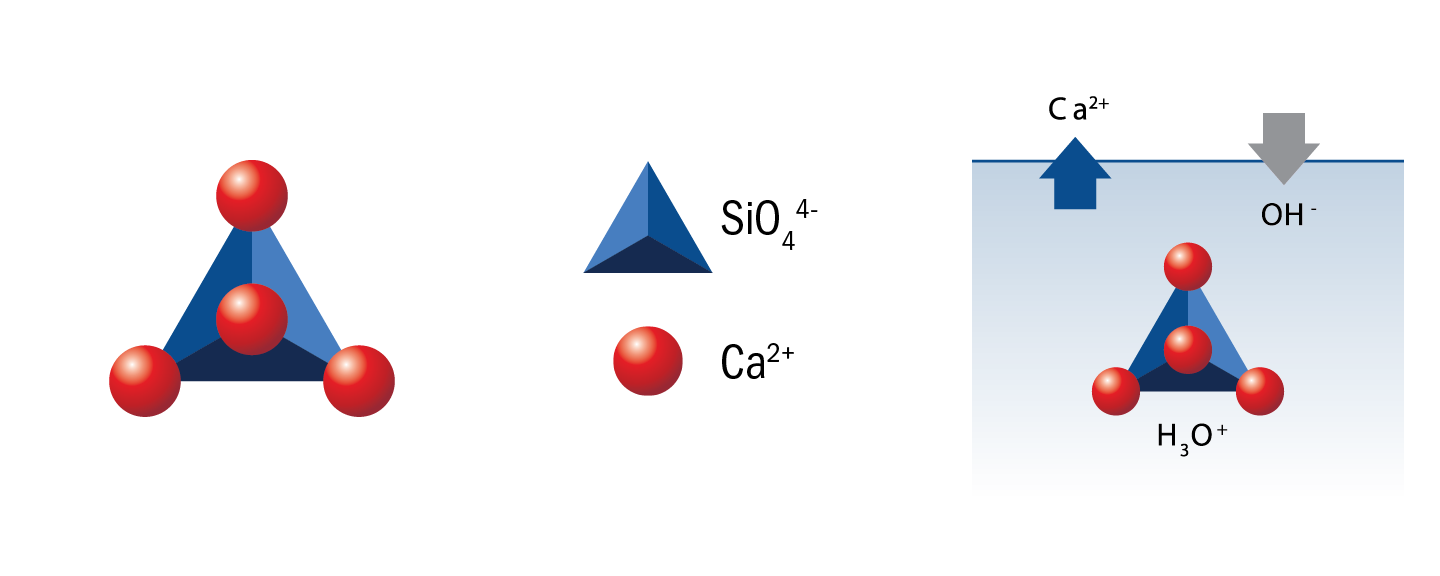
When in contact with water, the Calcium Sylicate crystal releases only Calcium ions into the medium.
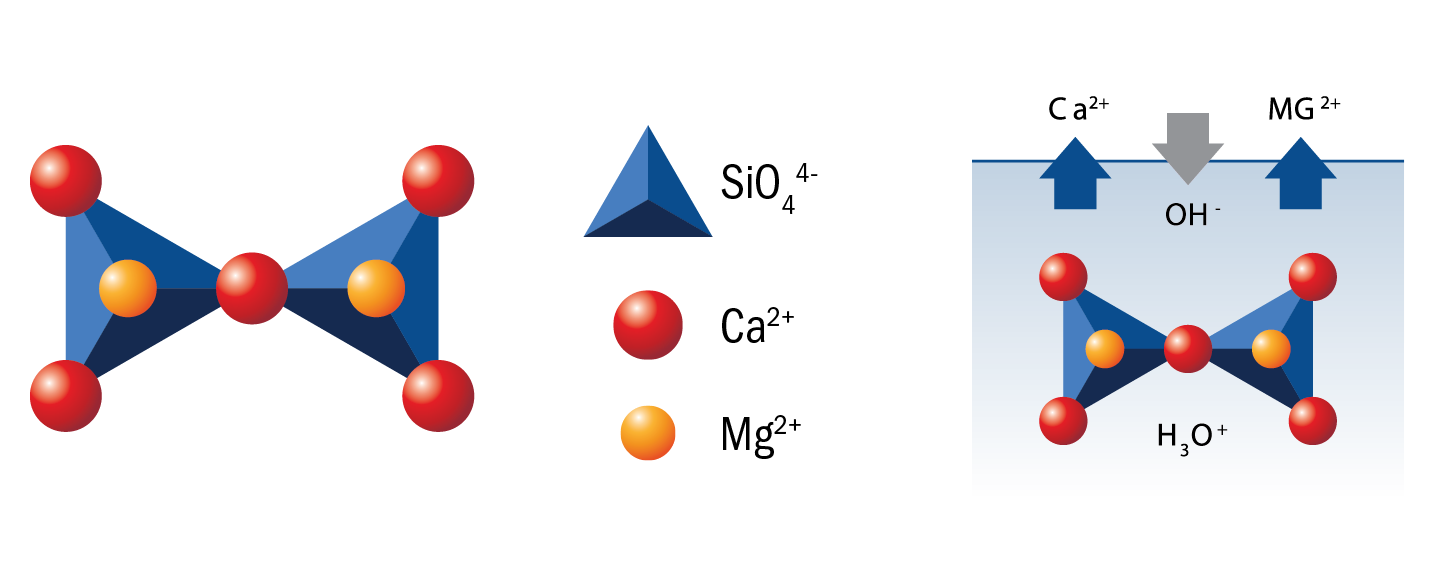
When in contact with water, the Akermanite crystal releases Hydroxyl, Calcium, and Magnesium ions into the medium.
RESULTS
Review the results of BC Sealer ion+ for hDP-SCs and hPDL-SCs.
hPD-SCs
(Human Dental Pulp Stem Cells)
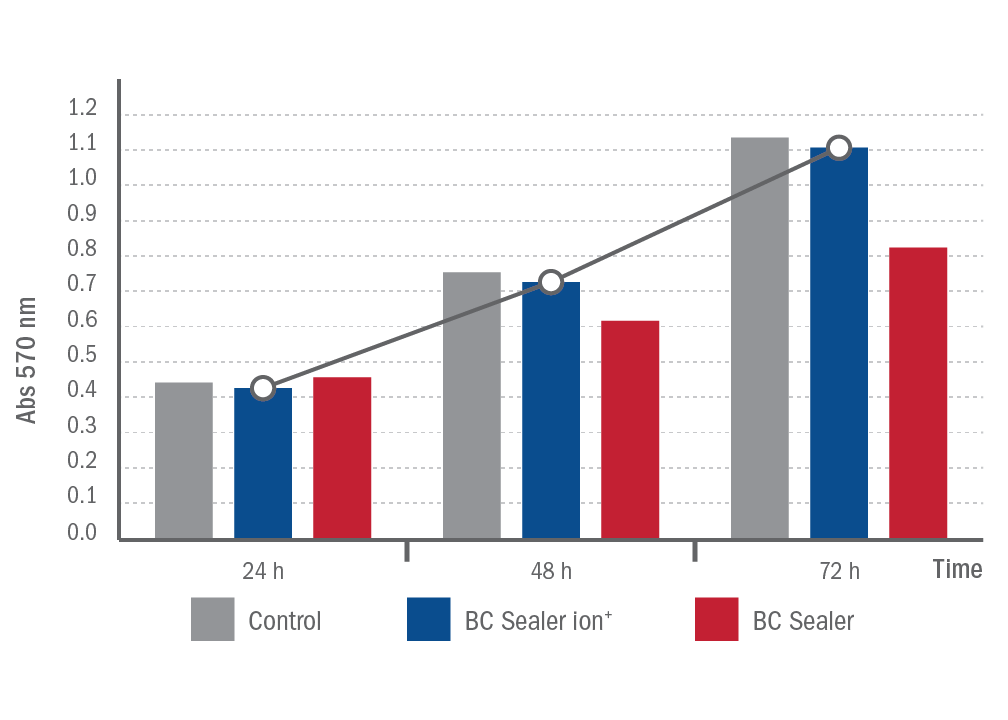
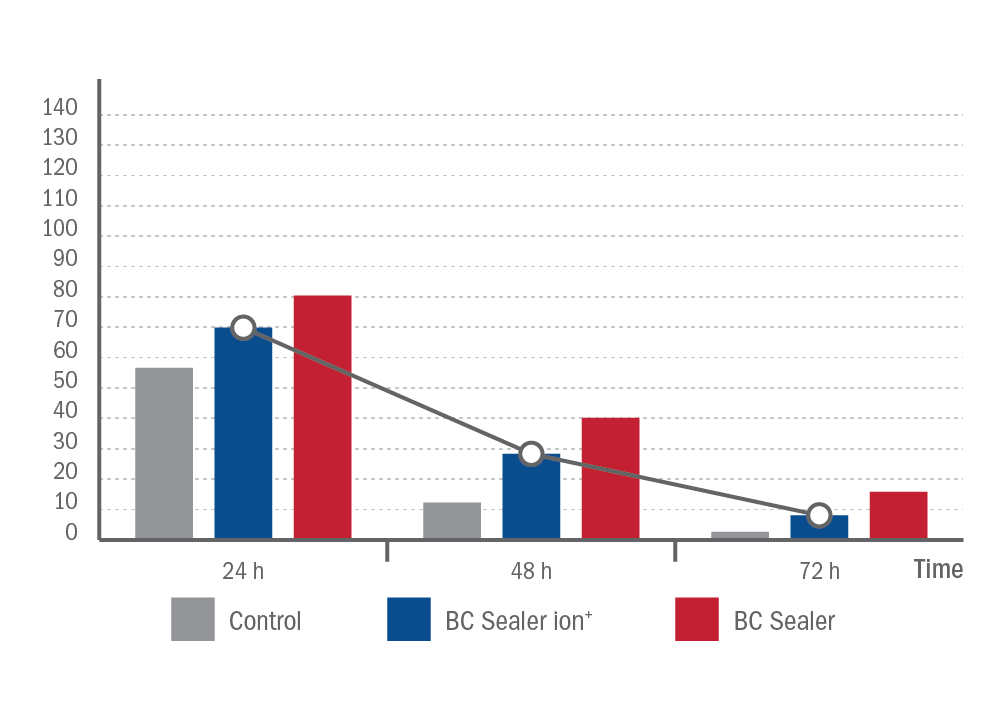
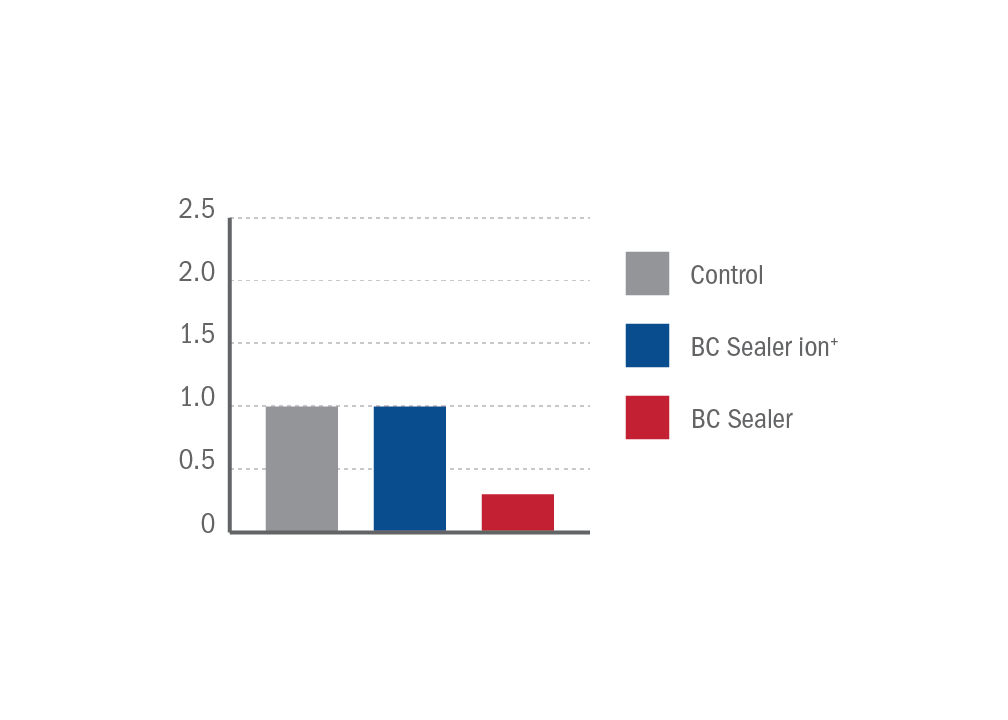
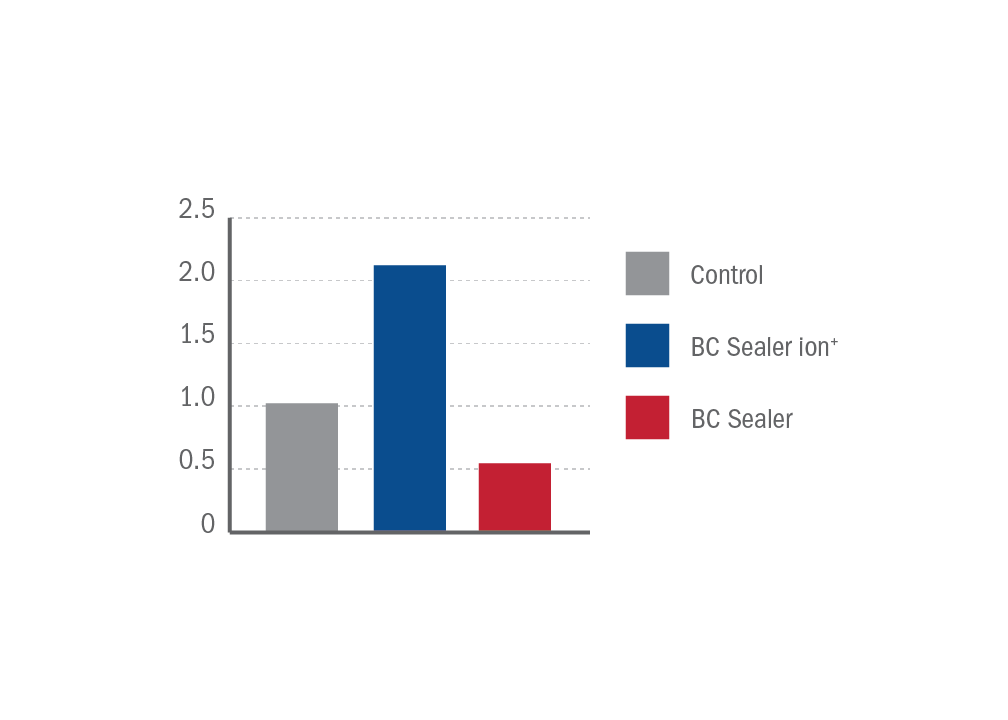
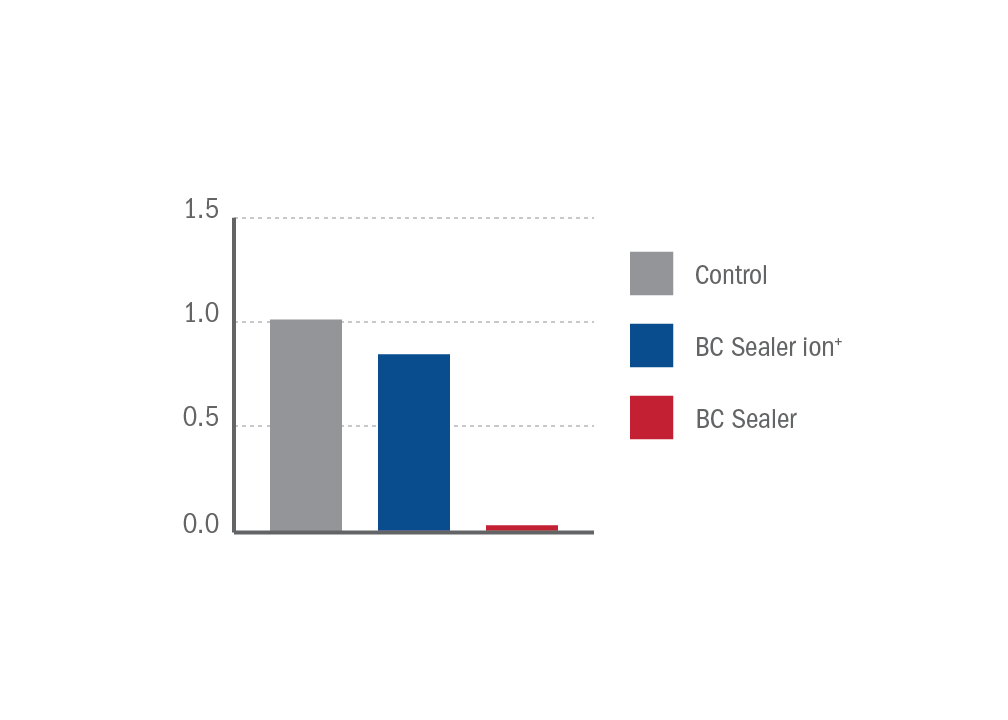
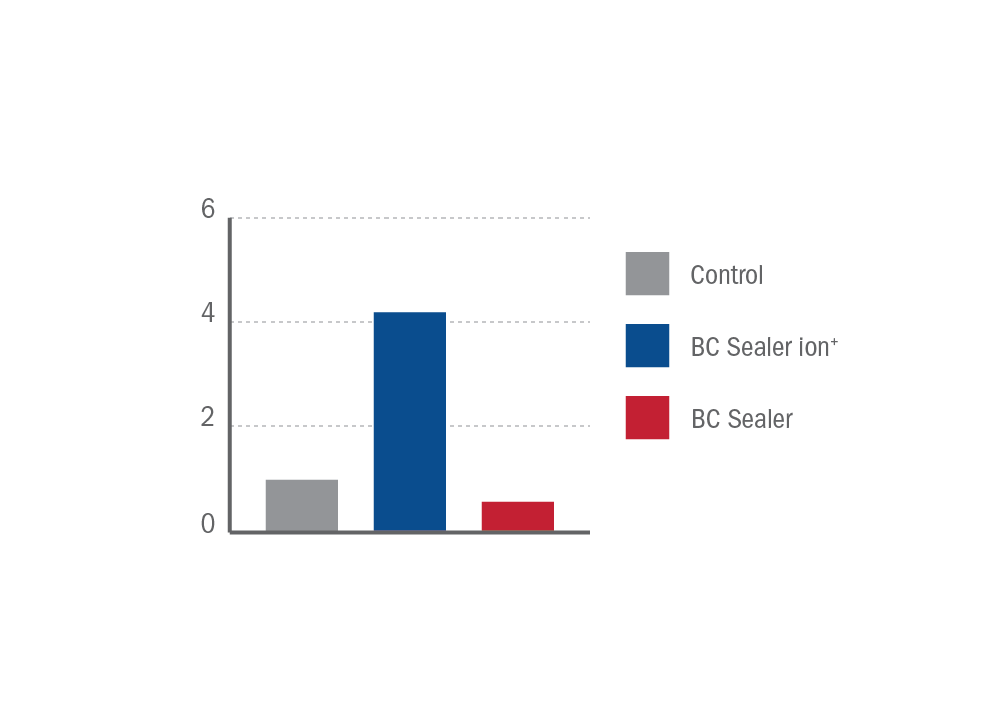
hPDL-SCs
(Human Periodontal Ligament Stem Cells)
Clinical Cases
Explore real-world clinical cases that demonstrate the power of ion+—because the true test of innovation lies in proven, patient-ready results.
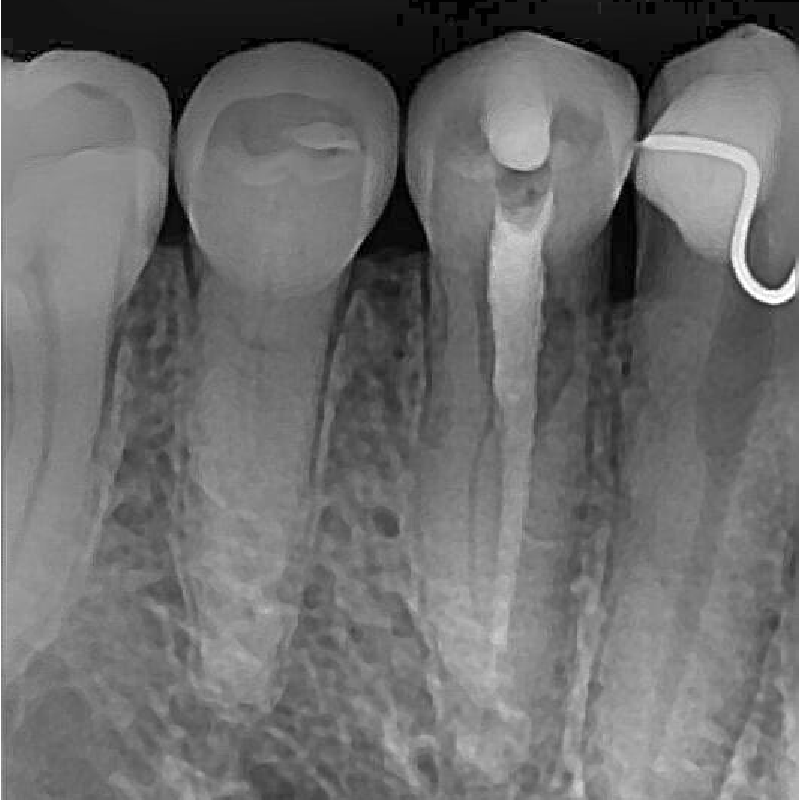
Initial X-Ray
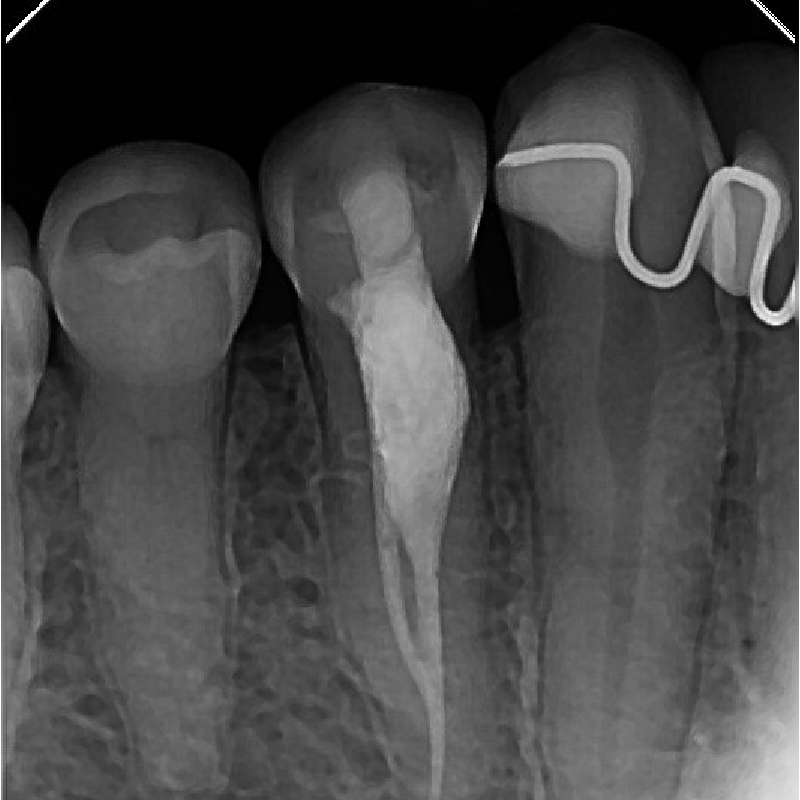
Immediate PO
BC Sealer ion+
This clinical case is courtesy of Professor Warley Tavares
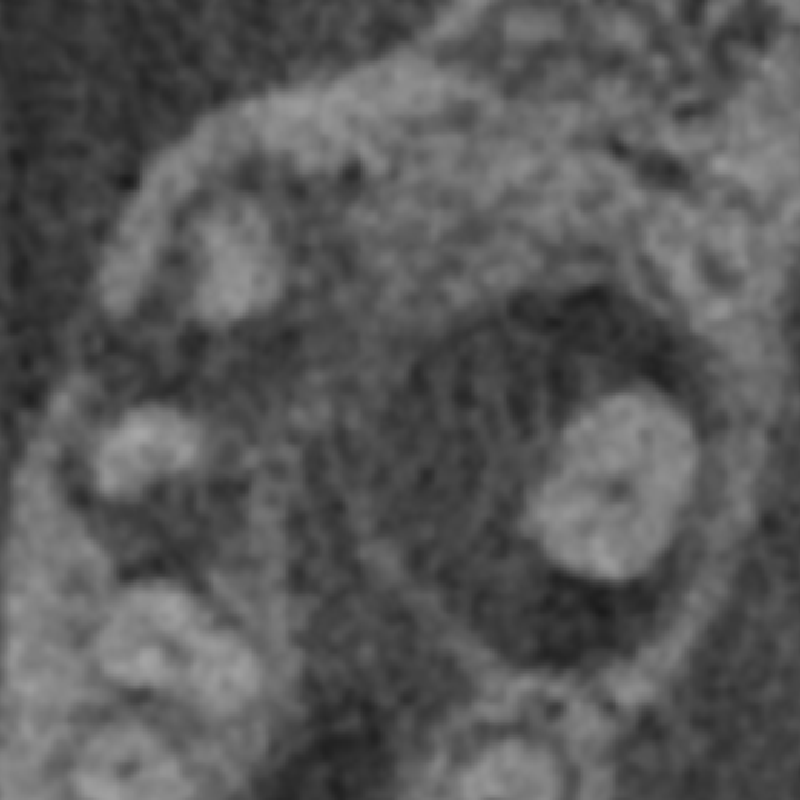
Initial CBCT
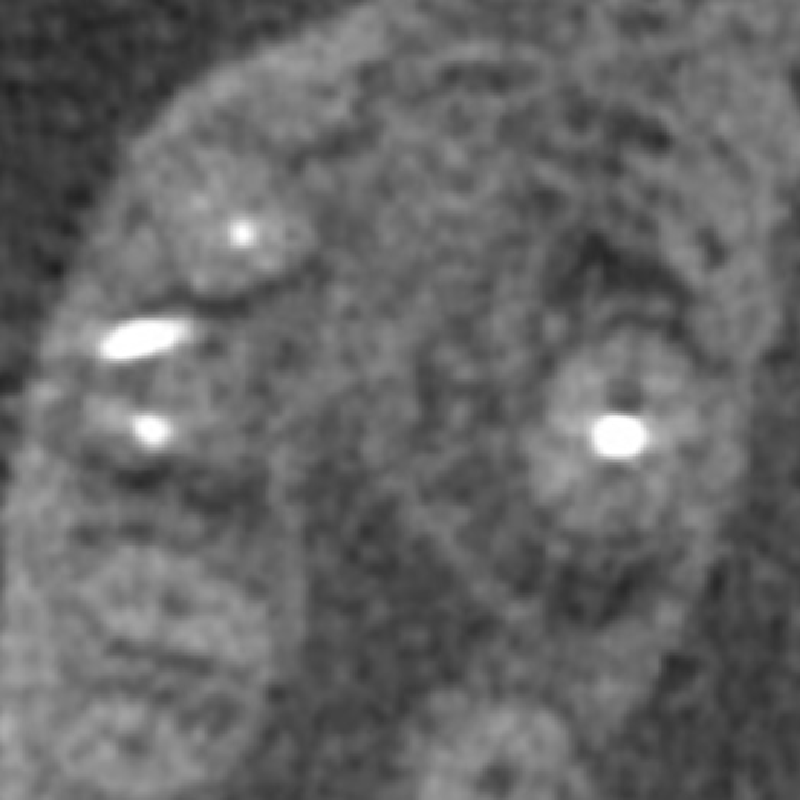
7 Months PO
BC Sealer ion+
This clinical case is courtesy of Professor André Michelotto
Product Videos
Brasseler XP4D and Ion+ Sealer
What Clinicians are Saying About ION+
I have used Brasseler’s BC Sealer for over 15 years. I recently switched to the new BC Sealer ion+ because of the improved flow properties, versatility with cold or warm obturation and I was impressed with the additional release of beneficial magnesium ions which should lead to more thorough and rapid healing. It also has excellent radiopacity.
BC Sealer ion+ offers exceptional practicality with its pre-mixed, ready-to-use formulation, saving valuable time during busy clinical days. Its viscosity allows it to flow into the intricate details of the tooth’s microanatomy, as evidenced by its excellent radiopacity. Moreover, the sealer’s bioactivity promotes a faster healing process, which can be observed radiographically in shorter periods.
I have been using BC Sealer ion+ for over three years with excellent clinical results. It is a sealer with easy handling, excellent flowability, and good radiopacity. In cases of puff, follow-up radiographs have shown it to have low clinical solubility. However, what has particularly caught my attention was the speed of apical lesion healing, even in adverse cases and older patients. For these reasons, it is a material that gives me great confidence and security for use in my practice.
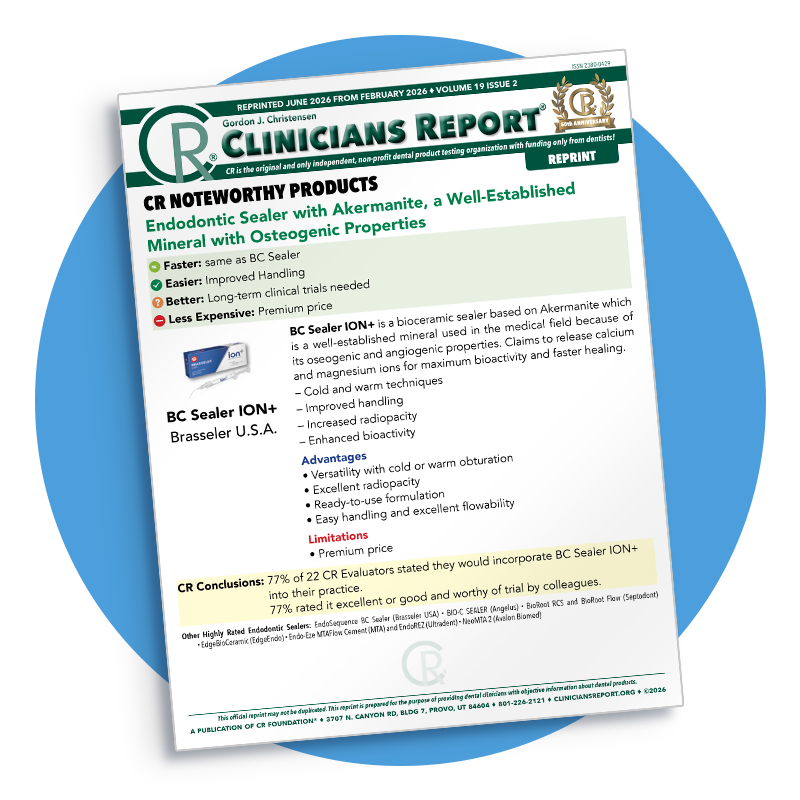
An independent, non-profit, dental education and product testing foundation,
Clinicians Report®, February 2026.
Manufactured For
Brasseler U.S.A. Dental, LLC
One Brasseler Blvd
Savannah, GA 31419, U.S.A.